U.S. Pat. No. 9,180,378
CONDITIONAL ACCESS TO AREAS IN A VIDEO GAME
AssigneeActivision Publishing, Inc.
Issue DateMay 17, 2011
U.S. Patent No. 9,180,378: Conditional access to areas in a video game
U.S. Patent no. 9,180,378: Conditional access to areas in a video game
Issued November 10, 2015, to Activision Publishing, Inc.
Priority Date May 17, 2011
Summary:
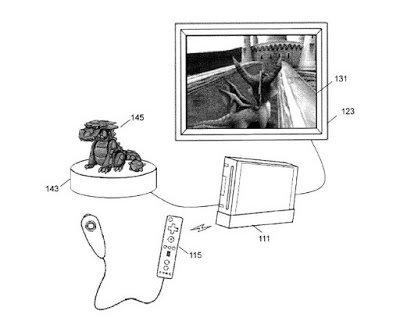
U.S. Patent No. 9,180,378 (the ‘378 Patent) relates to controlling access to areas in a video game. An area may be unlocked when particular characters are at an entrance, or may require characters in the game to perform certain actions. Sometimes particular characters are needed to successfully perform these actions. A unique way to solve this is the ‘378 patent. This patent includes a real life toy and a reader, which is a flat surface to place the toy on. The reader plugs into the console.
A game player generally places the toy or other object on the flat surface of the reader during game play. In many cases the toy reflects the game character of the game, for example the dragon above. The toy includes an identifier that may be read by the reader. When a toy figure is placed on the reader, the game character represented by the toy is added to game play. During game play the player generally controls the character, and causes the game character to move around and perform various tasks. The game world includes multiple game areas where the game character may be useable. This can allow characters to unlock secret dungeons, levels and caves.
Abstract:
A video game includes conditional access to areas of the game. An area may be unlocked when particular game characters are at an entrance to the area. An area may be unlocked for a particular character, for all characters, or for categories of characters. Categories of characters may include characters of a particular type, characters of a particular skill level, characters controlled by a particular game player, and characters previously played in the video game.
Illustrative Claim:
1. A computer implemented method for use in providing a video game, comprising: reading character information for a game player controllable game character from a toy proximate to a reader associated with the video game, the reader comprising one of the group of RFID reader circuitry, optical recognition circuitry, and communication transmitter or transceiver circuitry; determining whether the game player controllable game character has moved, based on game player input provided by a game controller, to a particular entrance to a particular game area of a game world; and when the game player controllable game character is at the particular entrance to the particular game area of the game world, determining whether presence of the game player controllable game character at the particular entrance to the particular game area of the game world should allow accessibility of the particular game area to game player controllable game characters; when the particular game area of the game world should be accessible to game player controllable game characters, determining a set of game player controllable game characters for which the particular area of the game world should be accessible, the set of game player controllable game characters including at least a plurality of game player controllable game characters; wherein the determined set of game player controllable game characters for which the particular game area of the game world should be accessible comprises game player controllable game characters that match a type of the game player controllable game character at the particular entrance to the particular game area of the game world; and allowing access to the particular game area of the game world for the determined set of game player controllable game characters.
Research By: Rachel Johns
Illustrative Figure
Abstract
A video game includes conditional access to areas of the game. An area may be unlocked when particular game characters are at an entrance to the area. An area may be unlocked for a particular character, for all characters, or for categories of characters. Categories of characters may include characters of a particular type, characters of a particular skill level, characters controlled by a particular game player, and characters previously played in the video game.
Description
DETAILED DESCRIPTION FIG. 1is an example of a video game system in accordance with aspects of the invention. The video game system includes a video game console111with a processor for executing program instructions providing for game play, user input devices such as a video game controller115, a display device123, and a reader143. The processor, responsive to inputs from the user input devices and in some embodiments the reader, generally commands display on the display device of game characters in and interacting with a virtual world of game play and possibly each other. The instructions providing for game play are generally stored on removable media, for example an optical disk. Accordingly, the game console may include an optical drive, for example a DVD-ROM drive, for reading the instructions for game play. In some embodiments, the game console may be instead a personal computer, or a notebook or netbook computer, including, in some instances, a built-in display and built-in or attached user input devices. The display device is generally coupled to the game console by a cable, although in some embodiments a wireless connection may be used. In many embodiments, the display device is a liquid crystal display. In some embodiments, the display device is a television. A display screen131of the display device displays video images of game play, generally as commanded by the processor or other associated circuitry of the game console. In the embodiment ofFIG. 1, the display screen shows a screen shot of video game play. As illustrated, the screen shot shows a display of a game character, generally controlled by and animated in accordance with user inputs, approaching what may be considered a castle. The reader, in some embodiments and as shown inFIG. 1, has a substantially flat upper surface for placement of objects thereon. The reader circuitry ...
DETAILED DESCRIPTION
FIG. 1is an example of a video game system in accordance with aspects of the invention. The video game system includes a video game console111with a processor for executing program instructions providing for game play, user input devices such as a video game controller115, a display device123, and a reader143. The processor, responsive to inputs from the user input devices and in some embodiments the reader, generally commands display on the display device of game characters in and interacting with a virtual world of game play and possibly each other.
The instructions providing for game play are generally stored on removable media, for example an optical disk. Accordingly, the game console may include an optical drive, for example a DVD-ROM drive, for reading the instructions for game play. In some embodiments, the game console may be instead a personal computer, or a notebook or netbook computer, including, in some instances, a built-in display and built-in or attached user input devices.
The display device is generally coupled to the game console by a cable, although in some embodiments a wireless connection may be used. In many embodiments, the display device is a liquid crystal display. In some embodiments, the display device is a television. A display screen131of the display device displays video images of game play, generally as commanded by the processor or other associated circuitry of the game console. In the embodiment ofFIG. 1, the display screen shows a screen shot of video game play. As illustrated, the screen shot shows a display of a game character, generally controlled by and animated in accordance with user inputs, approaching what may be considered a castle.
The reader, in some embodiments and as shown inFIG. 1, has a substantially flat upper surface for placement of objects thereon. The reader circuitry detects the presence of a machine readable identifier on or about the reader, with the reader including reader circuitry, for example RFID reader circuitry, optical recognition circuitry, or other reader circuitry, processing circuitry in some embodiments, and communication transmitter or transceiver circuitry for accomplishing this task. The processing circuitry may execute instructions according to firmware that is also stored in the reader. The processing circuitry may control operation of the reader circuitry, and also process signals from the RFID reader to determine data to be sent to the game console. The communication transceiver included in the reader sends reader data to the game console. The communication transceiver may send data, for example as controlled by the processing circuitry.
The toy figure includes a machine-readable identifier, for example a radio frequency identification (RFID) tag or a bar code that may be sensed or read by the reader. The machine-readable information may include an identifier identifying the game character. The machine-readable information allows the reader, or the processor of the game console, to distinguish one toy figure from other toy figures, and the machine-readable information may also include information relating to a variety of aspects of the game character, and, in some embodiments, information about an owner of the toy figure. For example the machine readable information, which in some embodiments is also writeable, may include information relating to a level of the game character, items in the game characters possession, items worn by the game character, an owner of the game character, and other matters. In some embodiments each particular toy figure may have its own separate identifier, for example two otherwise identical toy figures may each have a unique identifier. In some embodiments, however, identical game objects may have the same identifier, and in other embodiments similar game objects may have the same identifier.
A game player generally places game objects, for example a toyFIG. 145on the flat surface of the reader during game play. In many cases the toy figure is in the form of and representative of a game character of the game, for example the dragon ofFIG. 1. When a toy figure is placed on the reader, the game character represented by the toy figure appears in the game and is added to game play. In most embodiments, while the toy figure is placed on the reader, the game console may, through the receipt of user inputs for example, allow for control of the game character during game play, with the game console determining game character actions and resulting game states and commanding display of game play reflecting game states on the display, which displays the game play.
During game play the game player generally controls the game character, and causes the game character to move about a game defined world, undertaking various adventures and performing various tasks, with game play displayed on the display. The game world includes multiple game areas where the game character may be located. Access to some of the areas may be limited to certain game characters. Passage into game areas may be allowed or disallowed based on, for example, past actions by the character, a type of the character, or a game player with which the character is associated.
FIG. 2is an example of a block diagram of a processor and associated circuitry, for example for a game console, useful in accordance with aspects of the invention. As shown inFIG. 2a processor211is connected to other components via a bus. The other components include a main memory213and a removable memory interface215generally coupled to a removable memory device, for example, a DVD-ROM drive. The processor may execute instructions from the removable memory device to control game play and store game state information in the main memory. For example, the instructions may be for determining possible movements, positions, and locations of the game character.
The processor is coupled to an audio driver221and a video driver223. The audio driver produces sound signals and the video driver produces image signals. The sound signals and image signals are transmitted from the game console via a display I/O device225. The display I/O device generally supplies the sound and image signals to a display device external to the game console.
The processor may also be coupled to a user I/O device217, a wireless transceiver219, an Internet I/O device227, and other circuitry229. The user I/O device may receive signals from an RF reader and/or signals from a keyboard, a mouse, and/or a game controller, with generally the keyboard, mouse, and/or controller being used by a user and providing user inputs, for example during game play. Alternatively or additionally, the personal computer may receive user inputs via the wireless transceiver. The Internet I/O device provides a communication channel that may be used, for example, for multiple player games.
FIG. 3is a diagram of areas in a video game in accordance with aspects of the invention. The video game includes multiple game areas where players may use their game characters. The areas may include different objects, challenges, and the like. Passage into the areas is restricted by entrances that may conditionally allow or disallow a character to enter the area.
The example video game illustrated inFIG. 3includes a main or initial area301. Game characters may generally begin game play in the initial area. Characters in the initial area may move from the initial area to a first area311by way of a first entrance312. The first entrance limits passage to the first area by allowing or disallowing characters to pass through the entrance. Passage may be allowed based, for example on the identity of the character, the type of character, or past game experiences of the characters. When an entrance allows a character to pass into an area, the area is accessible to that character and the area may be considered unlocked with respect to that character.
Characters may also move from the initial area to a second area321by way of a second entrance322. The second entrance limits passage to the second area in a manner similar to that of the first entrance. The determination of whether the entrances allow passage is generally independent for each entrance. Additionally, in some embodiments an area may have multiple entrances and whether the multiple entrances allow passage may be determined jointly or independently. Similar to passage from the first area to the second area by way of the second entrance, a character may pass from the second area to a third area331by way of a third entrance332.
Characters may also move to one of two isolated areas341,351. Passage to the isolated areas is allowed or disallowed by corresponding entrances342,352. Characters may move or locate to the isolated area, for example by helicopter.
FIG. 4is a flowchart of a process for determining if a game area of a game world of a video game should be accessible to game characters and, if so, which game characters. The process ofFIG. 4may be performed, for example, by the game console ofFIG. 1or the processor, for example as configured by program instructions, in conjunction with associated circuitry, ofFIG. 2.
In block411the process determines whether a character of the video game is in an entrance to an area. A character may be in the entrance to the area, for example, if the process receives information that a character has been read by a reader capable of reading character related information, for example in embodiments that utilize an RFID reader and toy figures with RFID transmitters, and game play is located at the entrance. Game play may be located at the entrance, for example, if display of game play shows the character at or about the entrance. A character may also be in the entrance to the area when the character has moved to the entrance, for example as commanded by game player input, provided for example by a game controller, with game play status indicating that the character is at the entrance. The process returns to block411if a character is not in the entrance to the area; otherwise, if a character is in the entrance to the area, the process continues to block413.
In block413the process determines whether the character at the entrance to the area is an appropriate character for unlocking access to the area. It may be appropriate to unlock access depending, for example, on the type of the character, a performance level or game stage of the character, possessions of the character, tasks performed by the character, or combinations thereof. The process returns to block411if the character at the entrance to the area is not an appropriate character for unlocking access to the area; otherwise, if the character at the entrance to the area is an appropriate character for unlocking access to the area, the process continues to block415.
In block415the process determines a set of characters for whom the area should be accessible. In various embodiments the set of characters may be based on characteristics of the character triggering the unlocking or may be based on status of game play. In some embodiments the set of characters is global, in other words all characters. In other embodiments the set of characters is based on a type of the character or a game level of the character. In other embodiments the set of characters is based on which characters have been played by the game player associated with the character triggering the unlocking. In other embodiments the set of characters is provided from a source external to the video game, such as an Internet server. The set of characters indicates which characters may enter the area.
In block417the process unlocks the area for the set of characters determined in block415. The process may unlock the area by setting state information, which may be stored for example in memory of the game console, of the game associated with the area being unlocked. For example, the process may set attributes of an entrance to the area indicating which characters are allowed to pass through the entrance into the area. Additionally, the process may command display, and in some embodiments display a message to a game player indicating which characters may enter the area.
The process thereafter returns.
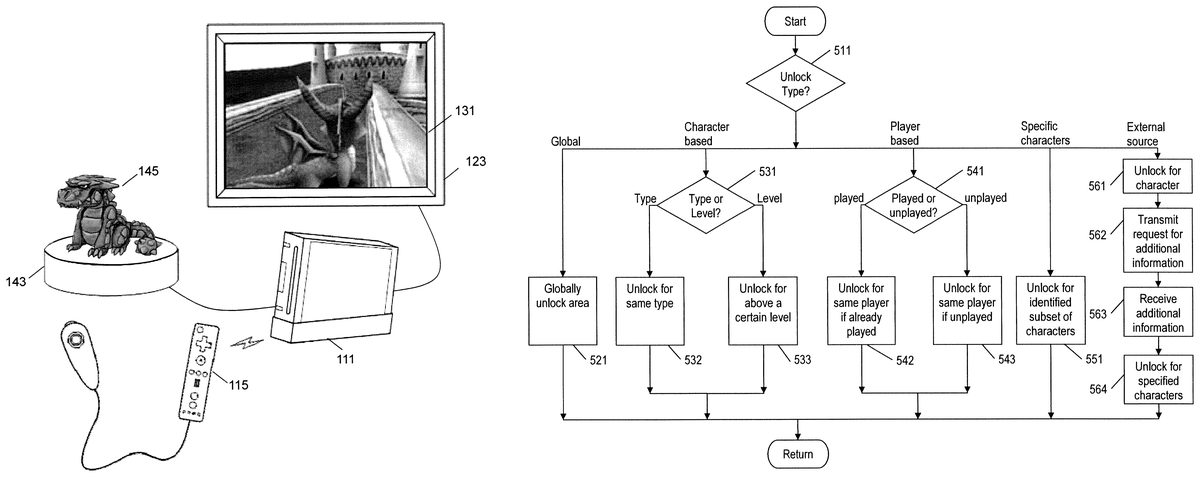
FIG. 5is a flowchart of a process for conditionally unlocking access to an area of a video game. The process ofFIG. 4may be performed, for example, by the game console ofFIG. 1or the processor, for example as configured by program instructions, in conjunction with associated circuitry, ofFIG. 2.
In block511the process determines a type of unlocking of access to the area. In some embodiments only one type of unlocking may be available, and in such embodiments the process may dispense with performing the functions of block511. The type of unlocking may be determined based on characteristics of a character triggering the unlocking of the area. The type of unlocking may vary with which area is being unlocked and may vary at different times during game play. For example, the type of unlocking may be determined using a process as illustrated inFIG. 4. The process continues to block521if the type of unlocking is global. The process continues to block531if the type of unlocking is character based. The process continues to block541if the type of unlocking is player based. The process continues to block551if the type of unlocking is for specific characters. The process continues to block561if the type of unlocking is based on an external source.
In block521the process unlocks the area for all game characters. The process thereafter returns.
In block531the process determines whether character based unlocking is by type or level. The process continues to block532if the unlocking is for characters of a certain type: otherwise, process continues to block533if the unlocking is for characters of a certain level. In block532the process unlocks the area for characters types that match the type of the character that triggered the unlocking. In some embodiments, there is a hierarchy of character types, for example as genus and species, and the unlocking may be for characters of the same genus or of the same species. In block533the process unlocks the area for characters at levels at or above a certain level. In other embodiments the area may be unlocked for characters below a certain level. The level may be determined, for example, using the level of the character that triggered the unlocking or determined based on the area being unlocked. The process thereafter returns.
In block541the process determines whether the player based unlocking is for played or unplayed characters. The process continues to block542if the unlocking is for played characters; otherwise, process continues to block543if the unlocking is for unplayed characters. In block542the process unlocks the area for characters that the player whose character triggered the unlocking has previously played in the video game. In block543the process unlocks the area for characters that the player has not yet played in the video game. In various embodiments the character that triggered the unlocking may be included in or excluded from the characters for which the area is unlocked. The process thereafter returns.
In block551the process unlocks the area for a subset of game characters. The subset of characters may be based on a common characteristic of the characters, for example characters considered to be a team, characters present on a reader, or characters that have a same pre-identified characteristic. The process thereafter returns.
In block561the process unlocks the area for the character that triggered the unlocking. In block562the process transmits a request for additional information about which characters should be included in the unlocking of the area. The request may be transmitted, for example, to an Internet-corrected server that provides information related to the game or characters in the game. The request may be transmitted, for another example, to an Internet connected game server that coordinates game play between remotely located game players. In block563the process receives the information requested in block562. In some embodiments the process may include a timeout if the requested information is not promptly received. The various embodiments the process may retransmit the request for information. When the requested information is not received, the process may perform a default action, such as unlocking the area for subset of characters or the process may return. In block564the process unlocks the area for the game characters indicated in the information received in block563. The information may indicate game characters, for example, by specific identities or characteristics. The process thereafter returns.
The process may, in other embodiments, include additional types of unlocking or may combine features of the types illustrated inFIG. 5. For example, the process may unlock an area for characters of a certain type and that have been previously played in the game. Additionally, in some embodiments, game players may trade characters and the process accordingly may determine whether access to an area changes when a character is owned by a different game player. When the area was previously unlocked, the process may add characters to the unlocking or may remove the previous unlocking.
Aspects of the invention provide for animation routines for game characters. Although aspects of the invention have been described with respect to various specific embodiments, it should be recognized that the invention comprises the novel and non-obvious claims supported by this disclosure.
Claims
- A computer implemented method for use in providing a video game, comprising: reading character information for a game player controllable game character from a toy proximate to a reader associated with the video game, the reader comprising one of the group of RFID reader circuitry, optical recognition circuitry, and communication transmitter or transceiver circuitry;determining whether the game player controllable game character has moved, based on game player input provided by a game controller, to a particular entrance to a particular game area of a game world;and when the game player controllable game character is at the particular entrance to the particular game area of the game world, determining whether presence of the game player controllable game character at the particular entrance to the particular game area of the game world should allow accessibility of the particular game area to game player controllable game characters;when the particular game area of the game world should be accessible to game player controllable game characters, determining a set of game player controllable game characters for which the particular area of the game world should be accessible, the set of game player controllable game characters including at least a plurality of game player controllable game characters;wherein the determined set of game player controllable game characters for which the particular game area of the game world should be accessible comprises game player controllable game characters that match a type of the game player controllable game character at the particular entrance to the particular game area of the game world;and allowing access to the particular game area of the game world for the determined set of game player controllable game characters.
- The method of claim 1 , further comprising: commanding display of an indication of which game player controllable game characters are included in the set of game player controllable game characters allowed access to the game area of the game world that were previously disallowed access to the game area.
- The method of claim 1 , wherein the set of game player controllable game characters is game player controllable game characters with a game level at or above a game level of the game player controllable game character that triggers accessibility of the particular game area.
- The method of claim 1 , wherein the set of game player controllable game characters consists of game player controllable game characters that a current game player has already played in the video game.
- The method of claim 1 , wherein the set of game player controllable characters is game player controllable game characters associated with toys proximate the reader associated with the video game.
- The method of claim 1 , wherein the set of game characters is game player controllable game characters in a same subset as the game player controllable game character at the entrance to the particular game area of the game world.
- The method of claim 6 , wherein the subset is game characters associated with toys proximate the reader associated with the video game and the object is a toy.
- A computer implemented method for use in providing a video game, comprising: reading character information for a game player controllable game character from a toy proximate to a reader associated with the video game, the reader comprising one of the group of RFID reader circuitry, optical recognition circuitry, and communication transmitter or transceiver circuitry;determining whether a particular game area of a game world should be accessible to game characters when the game player controllable game character is at an entrance to the particular area of the game world;when the game area of the game world should be accessible to game characters, determining a set of game characters for which the area of the game world should be accessible, the set of game characters including at least a plurality of game characters;allowing access to the game area of the game world for the determined set of game characters;and wherein the set of game characters comprises game characters that a current game player has not yet played in the video game, and excludes the game character at the entrance to the particular area of the game world.
- A computer implemented method for use in providing a video game by a game console, comprising: determining, by the game console, whether a game area of a game world should be accessible to game characters;when the game area of the game world should be accessible to game characters, determining a set of game characters for which the area of the game world should be accessible, the set of game characters including at least a plurality of game characters;allowing access to the game area of the game world for the determined set of game characters;and wherein determining the set of game characters comprises: reading character information for at least one game character from an object proximate to a reader associated with the game console, the reader comprising one of the group of RFID reader circuitry, optical recognition circuitry, and communication transmitter or transceiver circuitry;transmitting a request, by the game console, to a server for additional information about accessibility of the area;receiving, by the game console, the additional information;including game characters indicated by the additional information in the set of game characters allowed access to the game area of the game world;and determining whether to include the at least one game character associated with the toy in the set of game characters allowed access to the game area of the game world.
- A non-transitory machine-readable medium for a video game, the machine-readable medium comprising program instructions for: determining whether an area of the video game should be accessible to game player controllable game characters;determining an extent of unlocking of access to the area of the game when the area of the video game should be accessible, wherein the extent of unlocking is unlocking access to the area for game player controllable game characters of a type associated with the game player controllable game character that triggers the unlocking;unlocking access to the area of the video game to the determined extent;wherein the program instructions for determining whether an area of the video game should be accessible to game player controllable game characters comprise program instructions for: reading character information for a game player controllable game character from an object proximate to a reader associated with the video game, the reader comprising one of the group of RFID reader circuitry, optical recognition circuitry, and communication transmitter or transceiver circuitry;determining whether the game player controllable game character is at an entrance to the area of the video game;and when the game player controllable game character is at the entrance to the game area of the video game, determining whether the game player controllable game character at the entrance to the area of the video game should trigger unlocking of access to the area.
- The medium of claim 10 , wherein the extent of unlocking is unlocking access to the area for game player controllable game characters above a game level associated with the game player controllable game character that triggers the unlocking.
- The medium of claim 10 , wherein the extent of unlocking is unlocking for game player controllable game characters that a game player playing the game player controllable game character that triggers unlocking has played in the video game.
- The medium of claim 10 , wherein the extent of unlocking is unlocking for game characters that the game player playing the game character that triggers unlocking has not played in the video game.
- The medium of claim 10 , wherein the extent of unlocking is unlocking for game player controllable game characters in a same subset as the game player controllable game character that triggers the unlocking.
- The medium of claim 14 , wherein the subset is game player controllable game characters associated with toys proximate the reader associated with the video game.
- A non-transitory machine-readable medium for a video game, the machine-readable medium comprising program instructions for: reading character information for a game player controllable game character from an object proximate to a reader associated with the game console, the reader comprising one of the group of RFID reader circuitry, optical recognition circuitry, and communication transmitter or transceiver circuitry;determining whether an area of the video game should be accessible to the game player controllable game character;determining an extent of unlocking of access to the area of the game when the area of the video game should be accessible;and unlocking access to the area of the video game to the determined extent;wherein the medium further comprises program instructions for: commanding transmission of a request to a server for additional information about unlocking the area, and reading received additional information about unlocking the area;and wherein the extent of unlocking is the character that triggers the unlocking and characters specified in the received additional information.
Disclaimer: Data collected from the USPTO and may be malformed, incomplete, and/or otherwise inaccurate.