U.S. Pat. No. 12,246,252
NON-TRANSITORY STORAGE MEDIUM ENCODED WITH COMPUTER READABLE PROGRAM, GAME DEVICE, AND METHOD OF CONTROLLING GAME DEVICE, THAT ALLOW EARLY START OF OPERATION OF PLAYER CHARACTER WHILE GAME INFORMATION IS APPROPRIATELY CONVEYED
AssigneeNintendo Co., Ltd.
Issue DateJune 26, 2023
Illustrative Figure
Abstract
A non-transitory storage medium encoded with a computer readable program executed by a computer of a game device, at least one computer being configured to perform operations comprising obtaining data for determining a message to be shown while a game is running and performing conveyance processing for generating and providing a first image including a plurality of messages indicating game information of the game based on the obtained data such that the plurality of messages are sequentially shown. When the conveyance processing is terminated and the game processing is started, the second image further including a plurality of messages indicating the game information of the game based on the obtained data is generated and provided such that the plurality of messages are automatically sequentially shown.
Description
DETAILED DESCRIPTION OF NON-LIMITING EXAMPLE EMBODIMENTS This embodiment will be described in detail with reference to the drawings. The same or corresponding elements in the drawings have the same reference characters allotted and description thereof will not be repeated. [A. Configuration of Information Processing System] FIG.1is a diagram illustrating an overview of a configuration of an information processing system1based on an embodiment. Referring toFIG.1, information processing system1includes a server30and an information processing apparatus10provided to communicate with server30. By way of example, a configuration in which information processing apparatus10based on the embodiment is implemented as a game device will be described. Information processing apparatus10is any computer. Information processing apparatus10may be, for example, a portable (also referred to as mobile) device such as a portable game device, a portable telephone, or a smartphone, a stationary apparatus such as a personal computer or a home game console, or a large apparatus such as an arcade game machine for a commercial purpose. A hardware configuration of information processing apparatus10is outlined below. Information processing apparatus10includes a CPU12and a main memory18. CPU12is an information processor that performs various types of information processing in information processing apparatus10. CPU12performs the various types of information processing by using main memory18. Information processing apparatus10includes a storage20. Various programs (which may include an operating system in addition to a game program15) to be executed in information processing apparatus10are stored in storage20. Any storage (storage medium) accessible by CPU12is adopted as storage20. For example, a storage embedded in information processing apparatus10such as a hard disk or a memory, a storage medium attachable to and removable from information processing apparatus10such as an optical disc or a cartridge, or combination of a storage and a storage medium as such may be adopted as storage20. In such a case, a game system representing an exemplary ...
DETAILED DESCRIPTION OF NON-LIMITING EXAMPLE EMBODIMENTS
This embodiment will be described in detail with reference to the drawings. The same or corresponding elements in the drawings have the same reference characters allotted and description thereof will not be repeated.
[A. Configuration of Information Processing System]
FIG.1is a diagram illustrating an overview of a configuration of an information processing system1based on an embodiment.
Referring toFIG.1, information processing system1includes a server30and an information processing apparatus10provided to communicate with server30.
By way of example, a configuration in which information processing apparatus10based on the embodiment is implemented as a game device will be described.
Information processing apparatus10is any computer. Information processing apparatus10may be, for example, a portable (also referred to as mobile) device such as a portable game device, a portable telephone, or a smartphone, a stationary apparatus such as a personal computer or a home game console, or a large apparatus such as an arcade game machine for a commercial purpose.
A hardware configuration of information processing apparatus10is outlined below.
Information processing apparatus10includes a CPU12and a main memory18. CPU12is an information processor that performs various types of information processing in information processing apparatus10. CPU12performs the various types of information processing by using main memory18.
Information processing apparatus10includes a storage20. Various programs (which may include an operating system in addition to a game program15) to be executed in information processing apparatus10are stored in storage20. Any storage (storage medium) accessible by CPU12is adopted as storage20. For example, a storage embedded in information processing apparatus10such as a hard disk or a memory, a storage medium attachable to and removable from information processing apparatus10such as an optical disc or a cartridge, or combination of a storage and a storage medium as such may be adopted as storage20. In such a case, a game system representing an exemplary information processing system including information processing apparatus10and any storage medium may be configured.
Game program15includes computer-readable instructions for performing information processing as will be described later. The program may also include a program that establishes data communication with server30and a program that establishes data communication with another information processing apparatus as a part of processing.
Information processing apparatus10includes an input device11that accepts an instruction from a user, such as an analog stick, a button, or a touch panel. Information processing apparatus10includes a display14that shows an image generated through information processing. Without being limited to the configuration, various input forms and representation forms can be adopted.
Information processing apparatus10includes a network communication unit16. Network communication unit16may be connected to a not-shown network and may perform processing for data communication with an external apparatus (for example, server30or another information processing apparatus).
Information processing apparatus10obtains from server30through network communication unit16, data for determining a message to be shown while a game is running.
Server30transmits to information processing apparatus10as necessary, various types of data for determining a message to be shown while the game is running Specifically, server30transmits to information processing apparatus10, data associated with specific data or non-specific data. The specific data refers to data indicating information for reliably conveying game information to the user in conveyance of the game information to the user. The non-specific data refers to data indicating permission also of an operation of a player character in conveyance of game information to the user.
Server30may transmit the data at any timing or every prescribed time period. By way of example, server30may transmit data associated with non-specific data every prescribed time period in one day, or may transmit data associated with specific data when necessary in step with transmission of data associated with such non-specific data.
For example, server30may transmit, for example, data of “today's news” as data associated with specific data. By way of example, server30may transmit information sent by a game provider who runs a game or information on update of a game (update information). Information on a special event may be transmitted as information sent by the game provider, or information on a new weapon may be transmitted as the information on update of the game. By way of example, information on a reward such as acquisition of a privilege based on achievement of a prescribed condition within a specified period or information on a draw for an award and information on a period therefor may be included as the information on the special event.
Alternatively, server30may transmit, for example, data of a “current battle stage” as data associated with non-specific data. By way of example, server30may transmit game information that changes over a period or over time. For example, server30may transmit information on a battle stage that changes every two hours. Each time a stage changes, a rule may also change and information thereon may be transmitted. For example, information on a rule of a game, what is each of a plurality of stages, and information on whether or not to hold another mini game may be included.
Information processing apparatus10may be implemented by a plurality of apparatuses. For example, information processing apparatus10may be implemented by a main body apparatus including CPU12and an apparatus including input device11and/or display14, which are separate from each other. For example, in another embodiment, information processing apparatus10may be implemented by a main body apparatus and a terminal device including input device11and display14, or by a main body apparatus and an operation apparatus including input device11. Information processing apparatus10may employ a television as a display apparatus, without including display14.
In another embodiment, at least some of information processing performed in information processing apparatus10may be performed as being distributed among a plurality of apparatuses that can communicate over a network (a wide range network and/or a local network). Specifically, server30may perform at least some of information processing performed by information processing apparatus10.
[B. Functional Configuration of Information Processing Apparatus10]
FIG.2is a diagram illustrating a functional block of information processing apparatus10based on the embodiment. Referring toFIG.2, CPU12of information processing apparatus10implements various functional blocks by reading game program15.
CPU12includes a data obtaining unit200, a conveyance processing performing unit201, a game processing performing unit202, a conveyance method determination unit207, a first switching unit208, and a second switching unit209.
Game processing performing unit202includes a movement control unit203, an event control unit210, and an image generator205. Event control unit210includes a conversation control unit204and a battle control unit206.
Data obtaining unit200obtains data for determining a message to be shown while a game is running Specifically, data obtaining unit200obtains from server30through network communication unit16, data for determining a message to be shown while the game is running Data for determining a message may be a code for designating a message stored in advance in game program15or information indicating contents of a message, or may be data associated with specific data or non-specific data.
Conveyance processing performing unit201performs conveyance processing for generating and providing a first image including a plurality of messages indicating game information of a game based on the data obtained by data obtaining unit200such that the plurality of messages are sequentially shown. Specifically, conveyance processing performing unit201performs conveyance processing for generating and providing the first image obtained by image pick-up of a virtual space with a second virtual camera fixed at a prescribed position in the virtual space.
After the conveyance processing ends, game processing performing unit202performs game processing including movement control processing for moving a player character in the virtual space based on a first operation input (for example, tilting of an analog stick) by a user, event control processing based on a position in the virtual space of the player character, and image generation processing for generating a second image including at least an image based on the first virtual camera that moves together with the player character.
When first switching unit208starts game processing, game processing performing unit202generates and provides the second image further including a plurality of messages indicating game information of the game based on the obtained data such that the plurality of messages are automatically sequentially shown.
Game processing performing unit202may generate and provide the second image further including a plurality of messages indicating game information of the game such that the plurality of messages are automatically sequentially shown in an outer area other than a central area.
When first switching unit208starts game processing, game processing performing unit202may generate and provide the second image further including a message indicating game information subsequent to game information corresponding to a message conveyed in immediately preceding conveyance processing such that messages are automatically sequentially shown from the subsequent message.
Movement control unit203performs movement control processing for moving the player character in the virtual space based on the first operation input by the user. Specifically, movement control unit203performs movement control processing for moving the player character arranged in the virtual space based on the operation input by the user through input device11. Movement control unit303performs movement control processing for moving the first virtual camera together with the player character, as following the player character.
Event control unit210performs event control processing based on the position in the virtual space of the player character.
Conversation control unit204performs conversation event processing which is processing of a conversation event with another character as event control processing based on the position in the virtual space of the player character. Specifically, conversation control unit204performs the processing of a conversation event with another character arranged in the virtual space when the player character and another character satisfy prescribed positional relation.
Battle control unit206performs battle event processing which is processing of a battle event against another character as event control processing based on the position in the virtual space of the player character. Specifically, battle control unit206performs the processing of a battle event against another character when the player character is located at a prescribed position in the virtual space.
Image generator205performs image generation processing for generating the second image including at least an image based on the first virtual camera that moves together with the player character.
Conveyance method determination unit207determines based on the data obtained by data obtaining unit200, whether to perform conveyance processing or to perform game processing and generate and provide the second image further including a plurality of messages such that the plurality of messages are automatically sequentially shown.
Conveyance method determination unit207determines to perform conveyance processing at the time of start-up of the game, regardless of whether or not the data obtained by data obtaining unit200includes specific data.
When the data obtained by data obtaining unit200during a period when the game processing is performed other than start-up of the game includes specific data, conveyance method determination unit207has conveyance processing performed.
When the data obtained by data obtaining unit200while game processing is performed does not include specific data, conveyance method determination unit207performs game processing and generates and provides the second image further including a plurality of messages such that the plurality of messages are automatically sequentially shown.
When the second operation input (for example, pressing of a switch button such as pressing of the analog stick by way of example) by the user is provided while the conveyance processing is performed, first switching unit208terminates conveyance processing and starts game processing. When the data obtained by data obtaining unit200includes specific data and when the second operation input by the user is provided while conveyance processing is performed, first switching unit208does not have to terminate conveyance processing.
When the data obtained by data obtaining unit200includes specific data and non-specific data, conveyance processing performing unit201may perform conveyance processing for generating and providing the first image including a plurality of first messages indicating game information of the game based on the obtained specific data such that the plurality of first messages are sequentially shown, and thereafter may further perform conveyance processing for generating and providing the first image including a plurality of second messages indicating game information of the game based on non-specific data obtained by data obtaining unit200such that the plurality of second messages are sequentially shown.
When the second operation input by the user is provided while conveyance processing for generating and providing the first image including the plurality of second messages such that the plurality of second messages are sequentially shown is performed, first switching unit208terminates conveyance processing and starts game processing.
When a third operation input (for example, pressing of the switch button such as pressing of the analog stick by way of example) by the user is performed while game processing is performed, second switching unit209terminates game processing and starts conveyance processing.
[C. Overview of Game]
A game provided by execution of game program15based on the embodiment will now be outlined.
FIG.3is a diagram illustrating a configuration of the virtual space of the game based on the embodiment.
Referring toFIG.3, a plurality of various character objects are arranged in the virtual space.
Specifically, a player character P1which is controllable by a user through input device11and another character P2which is not controllable by the user through input device11are provided. Character P2may be an object set in advance in game program15, or may be, for example, a character object created by another user and being freely controllable by another user.
A first virtual camera CM1is arranged for player character P1. Specifically, first virtual camera CM1is arranged behind player character P1. First virtual camera CM1is provided as being movable to follow player character P1. First virtual camera CM1can pick up an image of the virtual space from a point of view of player character P1in game processing and the picked-up image of the virtual space can be shown on display14.
A lobby entrance is provided at a prescribed position in the virtual space as a location where prescribed event processing is to be performed. Player character P1can move through the virtual space and enter the lobby entrance. When player character P1enters the lobby entrance, it moves to a lobby which is a not-shown another virtual space. In the lobby, a battle stage BS which is yet another virtual space is selected. The user can select one stage from among a plurality of stages presented as “current battle stages” in the lobby. When the user selects one of the plurality of stages, player character P1is moved to the virtual space corresponding to the selected stage, and processing of a battle event (player-versus-player game processing) against another character is started. For example, the user may select one stage from among a plurality of stages “DDD”, “EEE”, and “FFF” presented as battle stage information. Battle stage information may be provided as being changed every prescribed time period in accordance with data transmitted from server30.
In the present example, a location where game processing is performed and a location where conveyance processing is performed are provided in the same virtual space, and in the present example, a news stage NS is provided at another prescribed position in the virtual space. The location where game processing is performed and the location where conveyance processing is performed may be provided in virtual spaces different from each other.
In news stage NS, a message board MB for showing a message is provided. A second virtual camera CM2is arranged as being fixed to news stage NS. In conveyance processing, second virtual camera CM2can pick up, at the fixed position, an image of message board MB provided in news stage NS and the picked-up image of the virtual space including the message shown on message board MB can be shown on display14. Though an example where message board MB is used for showing a message is described in the present example, an object in any form may be employed so long as a message is shown thereon.
Player character P1can perform processing of a conversation event with character P2when it moves through the virtual space to come close to another character P2and satisfies prescribed positional relation with another character P2.
In the present example, at the time of start-up of the game, the game starts from news stage NS which is the location where conveyance processing is performed. In other words, a plurality of messages indicating game information are shown on message board MB in news stage NS. Second virtual camera CM2picks up, at the fixed position, an image of message board MB provided in news stage NS and the picked-up image of the virtual space is shown on display14.
[D. Exemplary Representation of Screen of Game]
An exemplary representation of a screen of the game provided by execution of game program15based on the embodiment will now be described. By way of example, the exemplary representation of the screen is provided on display14of information processing apparatus10.
In the present example, processing for conveyance can be modified depending on a type of news. By way of example, two types of news are provided, which are specific news associated with specific data and ordinary news associated with non-specific data.
In the case of the specific news associated with specific data, for reliable conveyance of information to the user, the user is not permitted to perform another operation and only conveyance processing is performed.
In the case of the ordinary news associated with non-specific data, necessary information is conveyed while another operation by the user (an operation of the player character or the like) is permitted during game processing.
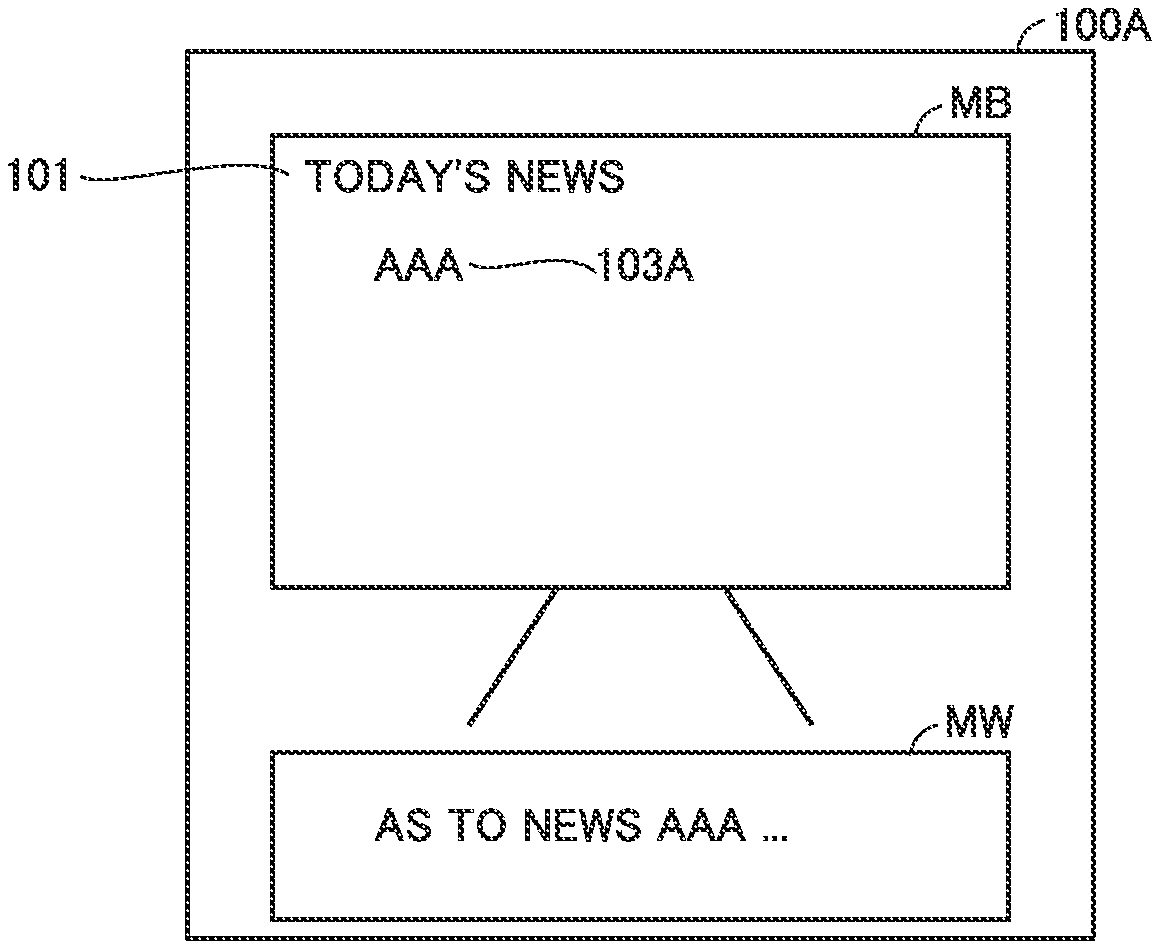
FIGS.4A to4Care diagrams illustrating exemplary conveyance processing based on the embodiment.
Referring toFIGS.4A to4C, specific news associated with specific data is shown.
Message board MB arranged in news stage NS is shown on screens100A to100C.
A message window MW is provided in a lower portion of message board MB.
A plurality of messages indicating game information are sequentially shown on message board MB. In the present example, a plurality of messages are sequentially shown one by one in accordance with a message forwarding operation.
In message window MW, detailed explanations of messages shown on message board MB are sequentially shown in accordance with the message forwarding operation.
In the present example, an example in which representation is switched sequentially in the order ofFIG.4A,FIG.4B, andFIG.4Cin accordance with the message forwarding operation is shown.
In connection with representation on message board MB, in the case of a message including lines extending beyond a display area of message board MB, the message may sequentially be switched in accordance with the message forwarding operation.
In screen100A, a title message101(“today's news”) is shown on message board MB as a news title by way of example of game information. Then, a message103A (“AAA”) is shown as a news topic. In message window MW, “as to news AAA . . . ” is shown as detailed explanation of “AAA”.
By way of example, when “AAA” is shown as “today's news” on message board MB on screen100A inFIG.4A, messages in message window MW are sequentially shown as being switched in accordance with the message forwarding operation, and when the message forwarding operation is performed while the last message about “AAA” is shown, switching to screen100B inFIG.4Bmay be made.
On screen100B inFIG.4B, a message103B (“BBB”) is shown as the news topic on message board MB. In message window MW, “as to news BBB . . . ” is shown as detailed explanation of “BBB”.
On screen100C inFIG.4C, a message103C (“CCC”) is shown as the news topic on message board MB. In message window MW, “as to news CCC . . . ” is shown as detailed explanation of “CCC”.
Messages are thus sequentially shown in accordance with the message forwarding operation.
Full text of a message may be shown in message board MB or message window MW by scrolling in accordance with the message forwarding operation.
The number of messages to be shown may be adjusted in conformity with the display area of message board MB and message window MW. Representation of a prescribed number of messages that were shown in the past in conformity with the display area may be maintained.
Second virtual camera CM2arranged for news stage NS picks up an image of a plurality of messages indicating game information that are sequentially shown on message board MB, and the picked-up image of the virtual space is shown on display14.
Thus, in the case of specific news, in conveyance of game information to the user, the information can reliably be conveyed to the user.
FIGS.5A to5Care diagrams illustrating another example of conveyance processing based on the embodiment.
Referring toFIGS.5A to5C, ordinary news associated with non-specific data is shown.
Message board MB arranged in news stage NS is shown on screens110A to110C.
Message window MW is provided in the lower portion of message board MB.
A plurality of messages indicating game information are sequentially shown on message board MB. In the present example, the plurality of messages are sequentially shown one by one in accordance with the message forwarding operation.
In message window MW, detailed explanations of messages shown on message board MB are sequentially shown in accordance with the message forwarding operation.
In the present example, an example in which representation is switched sequentially in the order ofFIG.5A,FIG.5B, andFIG.5Cin accordance with the message forwarding operation is shown.
In screen110A, a title message111(“current battle stage”) is shown on message board MB by way of example of game information. Then, a message113A (“DDD”), a message113B (“EEE”), and a message113C (“FFF”) are sequentially shown as battle stage information113. In message window MW, “as to battle stage DDD . . . ” is shown as detailed explanation of “DDD”. “DDD”, “EEE”, and “FFF” may be names of battle stages, images showing the battle stages, or combination of characters and images.
Battle stage information113is information on a stage that can be selected by the user in battle stage BS. By way of example, the user can select in battle stage BS, one stage from among “DDD”, “EEE”, and “FFF” corresponding to respective messages113A to113C shown as battle stage information113.
As shown in the present example, on message board MB, battle stage information113may be shown collectively in one screen. In the present example, detailed explanations of battle stages BS may sequentially be shown in message window MW in accordance with the message forwarding operation. In another example, messages113A to113C may initially be shown on message board MB as shown inFIG.5C. In this case, detailed explanations of “DDD”, “EEE”, and “FFF” are sequentially shown in message window MW in accordance with the message forwarding operation.
Second virtual camera CM2arranged for news stage NS picks up an image of the plurality of messages indicating game information that are sequentially shown on message board MB, and the picked-up image of the virtual space is shown on display14.
On screen110, separately from representation of the image of news stage NS provided in the virtual space, a button object102indicating a state that an operation input onto a switching button by the user can be accepted is provided.
When the operation input onto the switching button by the user is provided while conveyance processing is performed, conveyance processing is terminated and game processing is started.
In the present example, a pressing input onto the analog stick corresponds to the operation input onto the switching button by way of example. Another button to which a similar function is allocated may be pressed as the operation input onto the switching button.
In the present example, by way of example, in the case of the ordinary news, that is, by way of example, until information on the “current battle stage” is shown to the end, the user is allowed to provide the operation input onto the switching button at any timing.
On screen100where specific news is shown, another button object indicating that use of the switching button is not permitted may be shown.
In conveyance processing, movement control processing for moving a player character in the virtual space based on the first operation input cannot be performed. In conveyance processing, event control processing based on the position in the virtual space of the player character is not performed.
In the present example, server30changes, every prescribed time period, battle stage information which is ordinary news associated with non-specific data and transmits the battle stage information. The user can perform battle event processing (player-versus-player game processing) in the stage changed every prescribed time period.
FIGS.6A to6Care diagrams illustrating an exemplary screen in game processing based on the embodiment.
Referring toFIG.6A, on a screen300, player character P1and character P2arranged in the virtual space are shown.
In game processing, first virtual camera CM1arranged for player character P1picks up an image of the virtual space from a point of view of player character P1from behind player character P1and the picked-up image of the virtual space is shown on display14.
Player character P1is provided as being freely controllable by the user through input device11. By way of example, conversation event processing which is processing of a conversation event with character P2can be performed as the player character comes closer to character P2. Specifically, conversation control unit204performs the conversation event processing when character P2and player character P1satisfy prescribed relation of distance. For example, the conversation event processing may be performed in such a manner that information on character P2(by way of example, information on a name, a label, and a gear of the character) is shown in a form of conversation.
In game processing, a message display area310is provided in an outer area (in the present example, an upper area) other than the central area in screen300. By providing message display area310in the outer area (upper area) other than the central area in screen300, an operation to move player character P1can be facilitated. Without being limited to the upper area, message display area310may be provided at a more appropriate position other than the central area in screen300.
Message display area310is an area where a plurality of messages indicating game information are sequentially shown. When there is no message, no message is shown in message display area310.
Specifically, by way of example, an example in which the user provides the operation input onto the switching button while ordinary news is shown after specific news inFIGS.4A to4Cends is shown.
In the present example, by way of example of game information, title message111(“current battle stage”) which is a message in ordinary news and message113A (“DDD”) as battle stage information113are shown.
In the present example, by way of example, an example in which title message111is shown as being fixed and battle stage information113is automatically sequentially switched will be described.
Referring toFIG.6B, on a screen302, player character P1and character P2arranged in the virtual space are shown.
After screen300is shown, in message display area310on screen302, title message111(“current battle stage”) and message113B (“EEE”) as battle stage information113are shown.
Screen302is a screen automatically shown without an operation to forward characters in the message on screen300inFIG.6A, where message113A (“DDD”) is no longer shown and message113B (EEE) subsequent thereto is shown.
Referring toFIG.6C, on a screen304, player character P1and character P2arranged in the virtual space are shown.
After screen302is shown, in message display area310on screen304, title message111(“current battle stage”) and message113C (“FFF”) as battle stage information113are shown.
Screen304is a screen automatically shown without an operation to forward characters in the message on screen302inFIG.6B, where message113B (“EEE”) is no longer shown and message113C (“FFF”) subsequent thereto is shown. Specifically, after lapse of a period (seconds) in accordance with an amount of a currently shown message, a next message is automatically shown. A next message may be shown after lapse of a fixed period (seconds) rather than a period in accordance with the amount of message.
In the present example, though an example in which messages are automatically sequentially shown one by one is shown, the number of messages may be adjusted in accordance with a size of message display area310. For example, two messages which are message113B (“EEE”) and message113C (“FFF”) may be shown together by way of example.
“DDD”, “EEE”, and “FFF” may be names of battle stages, images showing the battle stages, or combination of characters and images.
Not only the names (“DDD”, “EEE”, and “FFF”) of the battle stages but also detailed explanation of each stage shown in message window MW may be shown in message display area310. By way of example, message window MW is also shown beside the image showing battle stage “DDD”. “As to battle stage DDD . . . ” may automatically sequentially be shown as detailed explanation of the battle stage “DDD”. As representation of the detailed message on the battle stage “DDD” ends, automatic switching to representation of the image showing battle stage “EEE” and the message showing detailed explanation on the battle stage “EEE” may be made.
When the operation input onto the switching button is provided while the message on the battle stage “DDD” is shown in the conveyance processing described with reference toFIG.5A, representation may be started from the message on the battle stage “EEE” as shown in screen302inFIG.6B.
When the operation input onto the switching button is provided in the middle of messages on the battle stage “DDD” shown in message window MW (before representation of the last message) in the conveyance processing described with reference toFIG.5A, instead of start of representation from the message on the battle stage “EEE” shown in screen302inFIG.6B, representation may start from a message that should have been shown next in message window MW.
On screen300, separately from representation of the image of the virtual space, a button object112indicating a state that an operation input onto the switching button by the user can be accepted is provided.
When the operation input onto the switching button by the user is provided while game processing is performed, game processing is terminated and conveyance processing is started. In the present example, conveyance processing in news stage NS in the virtual space is started.
In the present example, a pressing input onto the analog stick corresponds to the operation input onto the switching button by way of example. Another button to which a similar function is allocated may be pressed as the operation input onto the switching button.
[E. Exemplary Data Table]
FIGS.7A and7Bare diagrams illustrating a data table of a message based on the embodiment.
Referring toFIG.7A, by way of example, a data table of a message received from server30by information processing apparatus10at the time of start-up of information processing apparatus10is shown. Data obtaining unit200obtains from server30through network communication unit16, data for determining a message to be shown while a game is running Data obtaining unit200generates a data table and has the data table stored in main memory18. Data obtaining unit200performs sort processing for prioritizing a message associated with specific data (a priority flag (“1”)) over a message associated with non-specific data (without the priority flag).
In the present example, by way of example, an example in which data for determining a plurality of messages is received from server30at the time of start-up of a game in information processing apparatus10is shown.
Specifically, an example in which messages MS1to MS8(which will collectively also be referred to as a message MS below) are received is shown. By way of example, messages MS1to MS8are codes for designating messages stored in advance in game program15.
The priority flag (“1”) representing specific data and without the priority flag representing non-specific data are registered in the data table in association with message MS.
The specific data (priority flag (“1”)) or the non-specific data (without the priority flag) is transmitted from server30to information processing apparatus10, as data for determining a message, together with the code.
For example, by way of example, inFIGS.4A to4C, message MS1corresponds to “today's news.” Message MS2corresponds to “AAA”. Message MS3corresponds to “BBB”. Message MS4corresponds to “CCC”. By way of example, inFIGS.5A to5C, message MS5corresponds to the “current battle stage.” Message MS6corresponds to “DDD”. Message MS7corresponds to “EEE”. A message MS8corresponds to “FFF”.
The data table is provided with a completion flag indicating that a corresponding message has been conveyed to a user. In an initial state, nothing is registered in an item of the completion flag (“1”), and the completion flag (“1”) is registered when a message is conveyed to the user (shown on the message board or the like).
Conveyance method determination unit207determines to perform conveyance processing at the time of start-up of a game, regardless of whether or not data for determining a message included in the data table includes specific data.
Conveyance processing performing unit201performs conveyance processing in such a manner as extracting messages successively one by one from the data table and sequentially showing the messages on message board MB. Specifically, conveyance processing performing unit201identifies the code (message MS1) registered, for example, in a field of the message from the top in the data table and obtains specific message contents (“today's news”) corresponding to the code (message MS1) from game program15. This processing is successively performed.
When conveyance processing performing unit201performs conveyance processing for one message, it registers the completion flag (“1”) for the corresponding message.
Conveyance processing performing unit201performs conveyance processing such that, based on the data table subjected to sort processing, messages associated with specific data (priority flag (“1”)) are sequentially shown and thereafter messages associated with non-specific data (without the priority flag) are sequentially shown.
Specifically, after the conveyance processing described with reference toFIGS.4A to4C, conveyance processing described with reference toFIGS.5A to5Cis performed by way of example.
Referring toFIG.7B, by way of example, a data table of a message received from server30by information processing apparatus10while the game processing is performed is shown. Data obtaining unit200obtains from server30through network communication unit16, data for determining a message to be shown while a game is running Data obtaining unit200generates the data table and has the data table stored in main memory18.
In the present example, by way of example, an example in which data for determining a plurality of messages is received from server30while game processing is performed in information processing apparatus10is shown.
Specifically, an example in which messages MS11to MS14. . . are received is shown. By way of example, messages MS11to MS14are codes for designating messages stored in advance in game program15.
For example, by way of example, an example in which battle stage information which is ordinary news associated with non-specific data is transmitted will be described.
Messages MS11to MS14are registered in association with non-specific data (without the priority flag).
By way of example, message MS11corresponds to the “current battle stage.” Message MS12corresponds to “GGG”. Message MS13corresponds to “HHH”. Message MS14corresponds to “III”. By way of example, the user can select in battle stage BS, one stage from among “GGG”, “HHH”, and “III” shown as the battle stage information.
When the data that determines messages included in the data table during a period when game processing is performed other than start-up of the game includes specific data, conveyance method determination unit207determines to perform conveyance processing. When the data that determines messages included in the data table during the period when game processing is performed other than start-up of the game does not include the specific data, conveyance method determination unit207performs game processing and generates and provides a second image further including a plurality of messages such that the plurality of messages are automatically sequentially shown.
In this case, conveyance processing is not performed. In the game processing, when image generator205checks the data table and there is a message which has not yet been conveyed, image generator205performs processing for extracting messages successively one by one from the data table, generating a message image, and sequentially showing the images in message display area310.
When image generator205performs processing for generating message images and sequentially showing the images in message display area310, it registers the completion flag (“1”) of the corresponding message.
Specifically, messages MS11to MS14are automatically sequentially shown in message display area310as described with reference toFIGS.6A and6B.
When the game ends, the completion flag in the data table is reset. The completion flag for data associated with specific data (priority flag “1”) in the data table may not be reset.
[F. Processing Procedure in Information Processing]
A processing procedure in information processing provided by execution of game program15based on the embodiment will now be described. Each step is performed by execution of game program15by CPU12.
FIG.8is a flowchart illustrating information processing provided by game program15based on the embodiment.
Referring toFIG.8, when CPU12starts up game program15, data obtaining unit200inquires of server30about data (step S1). CPU12inquires of server30through network communication unit16about data for determining a message to be shown while a game is running.
Data obtaining unit200then determines whether or not there is data which has not yet been conveyed to the user (step S2).
In step S2, when data obtaining unit200determines that there is data which has not yet been conveyed to the user (YES in step S2), the process proceeds to step S3.
When data obtaining unit200determines in step S2that there is no such data (NO in step S2), the process proceeds to step S8.
In step S3, data obtaining unit200obtains from server30through network communication unit16, data for determining a message to be shown while the game is running.
Data obtaining unit200then generates the data table (step S4). Specifically, data obtaining unit200generates the data table described with reference toFIGS.7A and7Bbased on the obtained data and has the data table stored in main memory18.
Data obtaining unit200then performs sort processing for the data table (step S5). Data obtaining unit200performs sort processing for sorting messages associated with specific data (priority flag (“1”)) and messages associated with non-specific data (without the priority flag), for data for determining the message included in the data table. Data obtaining unit200performs sort processing for prioritizing messages associated with specific data (priority flag (“1”)) over messages associated with non-specific data (without the priority flag). Conveyance processing performing unit201can thus perform conveyance processing such that the messages associated with specific data (priority flag (“1”)) are sequentially shown and thereafter messages associated with non-specific data (without the priority flag) are sequentially shown.
Since specific news associated with specific data and ordinary news associated with non-specific data are thus each collectively shown, conveyance processing can efficiently be performed and the user can efficiently perform operations.
Conveyance method determination unit207then performs conveyance method determination processing for determining, based on the data obtained by data obtaining unit200, whether to perform conveyance processing or to perform game processing and generate and provide the second image further including a plurality of messages such that the plurality of messages are automatically sequentially shown (step S6). Details of the conveyance method determination processing will be described later.
Conveyance processing performing unit201then performs conveyance processing for generating and providing the first image including a plurality of messages indicating game information of the game based on the data obtained by data obtaining unit200such that the plurality of messages are sequentially shown (step S7). Details of the conveyance processing will be described later.
After the conveyance processing in step S7ends, game processing performing unit202then performs game processing including movement control processing for moving the player character in the virtual space based on the first operation input by the user, event control processing based on the position in the virtual space of the player character, and image generation processing for generating the second image including at least an image based on the first virtual camera that moves together with the player character (step S8).
CPU12then determines whether or not game processing ends (step S9).
When CPU12determines in step S9that the game processing ends (YES in step S9), the process ends.
When CPU12determines that the game processing does not end (NO in step S9), the process returns to step S1and the processing above is repeated.
FIG.9is a flowchart illustrating processing by conveyance method determination unit207based on the embodiment.
Referring toFIG.9, conveyance method determination unit207determines whether or not processing is processing at the time of start-up of the game (step S10).
When conveyance method determination unit207determines in step S10that processing is processing at the time of start-up of the game (YES in step S10), the process ends (return). The process then proceeds to conveyance processing in step S7inFIG.8.
Conveyance method determination unit207determines to perform conveyance processing at the time of start-up of the game regardless of whether or not the obtained data includes specific data.
When conveyance method determination unit207determines in step S10that processing is not processing at the time of start-up of the game (NO in step S10), it refers to the data table and determines whether or not there is a priority flag associated with a message (step S11). Conveyance method determination unit207refers to the data table stored in main memory18and determines whether or not there is message MS associated with the priority flag (“1”).
When conveyance method determination unit207refers to the data table and determines in step S11that the priority flag has been set (YES in step S11), the process ends (return). The process then proceeds to conveyance processing in step S7inFIG.8.
When conveyance method determination unit207refers to the data table and determines that the specific data (priority flag (“1”)) is included, it determines to perform conveyance processing.
When conveyance method determination unit207refers to the data table and determines in step S11that no priority flag has been set (NO in step S11), the process proceeds to “A”.
In this case, the conveyance processing in step S7inFIG.8is skipped and the process proceeds to game processing in step S8.
FIG.10is a flowchart illustrating conveyance processing by conveyance processing performing unit201based on the embodiment.
Referring toFIG.10, conveyance processing performing unit201refers to the data table and extracts a message (step S20). Specifically, conveyance processing performing unit201refers to the data table and extracts messages sequentially from the top. In this regard, conveyance processing performing unit201refers to the data table and extracts sequentially from the top, messages for which the completion flag (“1”) has not been registered.
Conveyance processing performing unit201determines whether or not there is a priority flag corresponding to the message (step S21).
When conveyance processing performing unit201determines in step S21that the priority flag has been set (YES in step S21), it has the message shown on message board MB (step S22).
Conveyance processing performing unit201then generates an image based on the second virtual camera (step S23). In conveyance processing, second virtual camera CM2picks up at the fixed position, an image of message board MB provided in news stage NS and generates the picked-up image of the virtual space including the message shown on message board MB.
Conveyance processing performing unit201then has the generated image shown on display14(step S24). Specifically, a screen in the conveyance processing described with reference toFIGS.4A to4C and5A to5Cis shown.
Conveyance processing performing unit201then registers the completion flag in the data table (step S25). Specifically, conveyance processing performing unit201registers the completion flag (“1”) in correspondence with the message in the data table.
Conveyance processing performing unit201then determines whether or not conveyance of all messages has ended (step S26). Specifically, conveyance processing performing unit201determines whether or not the completion flag (“1”) has been registered in correspondence with all messages in the data table.
When conveyance processing performing unit201determines that conveyance of all messages has ended (YES in step S26), the process ends (return).
The process then proceeds to game processing in next step S8.
When conveyance processing performing unit201determines that conveyance of all messages has not ended (NO in step S26), it determines whether or not a message forwarding operation input (pressing input onto a prescribed button) has been provided (step S28).
When conveyance processing performing unit201determines in step S28that the message forwarding operation input (pressing input onto the prescribed button) has not been provided (NO in step S28), it maintains the state in step S28.
When conveyance processing performing unit201determines in step S28that the message forwarding operation input (pressing input onto the prescribed button) has been provided (YES in step S28), the process returns to step S20and the processing above is repeated.
When conveyance processing performing unit201determines in step S21that no priority flag has been set (NO in step S21), it determines whether or not a switching instruction has been provided (step S27). Specifically, conveyance processing performing unit201determines whether or not an operation input onto the switching button (by way of example, a pressing input onto the analog stick) by the user has been provided while conveyance processing is performed.
When conveyance processing performing unit201determines in step S27that the switching instruction has been provided (YES in step S27), it terminates the conveyance processing (return). Then, the process proceeds to game processing in next step S8. Specifically, when conveyance processing performing unit201determines that the operation input onto the switching button has been provided, it instructs first switching unit208to terminate conveyance processing and start game processing.
Through the processing, when the operation input onto the switching button has been provided, conveyance processing can be terminated and game processing can be performed. Therefore, expectation of the user who desires to operate the player character in the game as early as possible can be met.
When conveyance processing performing unit201determines in step S27that the switching instruction has not been provided (NO in step S27), the process proceeds to step S22and the conveyance processing continues.
FIG.11is a flowchart illustrating game processing by game processing performing unit202based on the embodiment.
Referring toFIG.11, game processing performing unit202performs movement control processing for moving the player character in the virtual space based on the first operation input by the user (step S30). Details of the movement control processing will be described later.
Game processing performing unit202then performs event control processing based on the position in the virtual space of the player character (step S32). Details of the event control processing will be described later.
Game processing performing unit202then performs image generation processing for generating the second image including at least the image based on the first virtual camera that moves together with the player character (step S36). Details of the image generation processing will be described later.
Then, the process ends (return).
FIG.12is a flowchart illustrating movement control processing by movement control unit203based on the embodiment.
Referring toFIG.12, movement control unit203determines whether or not a movement operation input has been provided through input device11(step S40).
When movement control unit203determines in step S40that the movement operation input has been provided through input device11(YES in step S40), it performs processing for moving the player character (step S42). Movement control unit203moves player character P1to any position in accordance with the movement operation input in the virtual space.
Movement control unit203then performs processing for moving the first virtual camera (step S44). Movement control unit203moves first virtual camera CM1as following player character P1in the virtual space.
Then, the process ends (return).
When movement control unit203determines in step S40that the movement operation input has not been provided through input device11(NO in step S40), the process ends (return).
FIG.13is a flowchart illustrating event control processing by event control unit210based on the embodiment.
Referring toFIG.13, event control unit210determines whether or not an event condition has been satisfied (step S60).
When event control unit210determines in step S60that the event condition has been satisfied (YES in step S60), it performs event processing (step S62).
Specifically, conversation control unit204performs processing of a conversation event with another character as event control processing based on the position in the virtual space of the player character. When the player character and another character arranged in the virtual space satisfy prescribed positional relation (the event condition is satisfied), conversation control unit204executes the conversation event with another character.
Battle control unit206performs processing of a battle event against another character as event control processing based on the position in the virtual space of the player character. Specifically, when the player character is located at a prescribed position (in battle stage BS) in the virtual space (the event condition is satisfied), battle control unit206performs processing of the battle against another character.
Then, the process ends (return).
FIG.14is a flowchart illustrating image generation processing by image generator205based on the embodiment.
Referring toFIG.14, image generator205checks the data table (step S50).
Image generator205then determines whether or not there is a message which has not yet been conveyed (step S51). Image generator205determines whether or not there is a message for which the completion flag (“1”) has not been registered in the data table.
When image generator205determines in step S51that there is a message which has not yet been conveyed (step S51), it determines whether or not the switching instruction has been provided (step S52). Image generator205determines whether or not the operation input onto the switching button (by way of example, the pressing input onto the analog stick) has been provided.
When image generator205determines in step S52that the switching instruction has not been provided (NO in step S52), it extracts messages from the data table (step S53). When image generator205determines that the operation input onto the switching button has not been provided, it refers to the data table and extracts messages for which the completion flag (“1”) has not been registered successively from the top.
Image generator205then generates a message image to be shown in message display area310(step S54).
Image generator205then registers the completion flag (“1”) (step S55). Specifically, image generator205registers the completion flag (“1”) in correspondence with the message in the data table.
Image generator205then generates the image based on the first virtual camera (step S56). First virtual camera CM1picks up an image of the virtual space from the point of view of player character P1from behind player character P1and generates the picked-up image of the virtual space.
Image generator205then combines images and has the combined image shown on display14(step S57). Image generator205combines the message image shown in message display area310and the image of the virtual space with each other and has the combined image shown on display14. Image generator205holds the generated message image until lapse of a period (seconds) in accordance with an amount of the message, combines the message image with the image of the virtual space, and has the combined image shown on display14. The generated message image may be held for a fixed period (seconds) rather than a period in accordance with an amount of the message and combined with the image of the virtual space, and the resultant image may be shown on display14.
Then, the process ends (return).
Even when the conveyance processing as such is terminated and the game processing is performed, a message can be shown in message display area310. Therefore, game information can appropriately be conveyed while the operation of the player character in the game is permitted. In other words, the user can turn his/her attention to game processing while the user appropriately obtains the game information.
When image generator205determines in step S51that there is no message which has not yet been conveyed (NO in step S51), steps S52to S55are skipped and the process proceeds to step S56. Subsequent processing is similar.
When image generator205determines in step S52that the switching instruction has been provided (YES in step S52), the process proceeds to B. Specifically, the process proceeds to step S20where conveyance processing is performed.
When image generator205determines that the operation input onto the switching button (by way of example, the pressing input onto the analog stick) has been provided, it instructs second switching unit209to terminate the game processing and start the conveyance processing.
Through the processing, when checking of the game information on message board MB is desired, the game information can be checked in the conveyance processing and hence information can be conveyed in accordance with the user's intention.
When the conveyance processing is terminated and the game processing is performed, that is, when first switching unit208starts the game processing, a message which has not yet been conveyed is checked and messages that have not yet been conveyed are automatically sequentially shown in message display area310. In other words, the second image further including a message indicating game information subsequent to game information corresponding to a message conveyed in immediately preceding conveyance processing is generated and provided such that messages are automatically sequentially shown from the subsequent message. Therefore, there is no need to repeatedly check the same information, and conveyance using message display area310can be terminated early.
[G. Additional Aspects]
Though an example in which a plurality of messages indicating game information of a game are sequentially shown on message board MB in conveyance processing is described above, a message may be conveyed by further using a character. For example, a character who reads, adjacent to message board MB, a plurality of messages indicating game information may be provided. The character may explain contents shown in message board MB by talking about them or by talking about additional information different from the contents.
Though an example in which messages are automatically sequentially shown in message display area310is described above, the messages may sequentially be shown in message display area310, for example, in accordance with the operation input onto input device11, instead of automatic representation.
Messages may also automatically sequentially be shown on message board MB also in conveyance processing.
Messages indicating game information may include not only names of stages but also information on the stages and conversations specific to a character that conveys the messages. The messages may include an image of a landscape of the stage.
An example in which the same message contents are shown as ordinary news, by way of example, for what is conveyed in the conveyance processing described with reference toFIGS.5A to5Cand what is conveyed with the use of message display area310described with reference toFIGS.6A and6Bis described above. Without being limited to the example where the contents are the same, message contents may be different. For example, a message table for conveyance processing for designating a message in correspondence with a code and a message table for the message display area may be provided, and contents may be different even when a code corresponding to the message is the same. Information can appropriately be conveyed to the user by making adjustment as appropriate for addressing a difference in size of the display area.
Though an example in which server30transmits a code that designates a message and specific data or non-specific data to information processing apparatus10as data for determining a message to be shown while a game is running is described above by way of example, specific data or non-specific data does not have to be transmitted. Specifically, server30may transmit to information processing apparatus a code that designates a message as data for determining a message to be shown while the game is running by way of example, and in that case, data obtaining unit200may register the code in the data table in association with non-specific data. Server30may transmit to information processing apparatus10, information indicating contents of a message other than the code that designates the message, as data for determining a message to be shown while the game is running by way of example, and when information other than the code is transmitted, data obtaining unit200may register the information in the data table in association with specific data.
Though an example in which first virtual camera CM1and second virtual camera CM2are arranged in the virtual space separately from each other is described above, only a single virtual camera may be arranged. Specifically, in conveyance processing, first virtual camera CM1may move to a position where second virtual camera CM2is arranged in a fixed manner, and in game processing, first virtual camera CM1may be arranged behind player character P1.
When player character P1moves to another virtual space, the operation input onto the switching button (by way of example, the pressing input onto the analog stick) may not be accepted. For example, when player character P1moves to battle stage BS, it has moved to another virtual space and the user may be concentrating to game processing (battle event processing). Therefore, switching to conveyance processing may be deactivated. Deactivation of switching to the conveyance processing in the case of movement from another virtual space not in an identical virtual space can also avoid the possibility of uncomfortable feeling in terms of consistency between images.
Though an example in which a plurality of messages indicating game information are automatically sequentially shown in message display area310is described above, such sequential representation may be suspended when a prescribed operation is performed through input device11. When an operation to open a menu screen is performed by way of example, motion in the virtual space including player character P1may be stopped, the menu screen may be shown as being superimposed, and representation in message display area310may be stopped.
In processing for conveying ordinary news by way of example, in representation of a first title message, the operation input onto the switching button may not be accepted. By reliably conveying the title message, the user will be able to understand importance of information.
Though an example in which data obtaining unit200inquires of server30about data for determining a message to be shown while a game is running and polling-type communication for obtaining the data is established is described above by way of example, push-type communication in which server30actively transmits to information processing apparatus10, data for determining a message to be shown while a game is running may be established.
Data itself obtained from server30may include a message. Specifically, data may include a message including such contents as an additional stage or weapon and various types of update information in association with specific data.
Though an example in which conveyance method determination unit207performs conveyance processing at the time of start-up of a game in step S10inFIG.9is described above, it may perform only processing in step S11. In other words, when data is not associated with specific data, the process may proceed to game processing rather than conveyance processing.
When data associated with non-specific data which has not yet been conveyed is obtained during game processing, only a simplified message (“the stage has changed”) may be shown.
Though an example in which ordinary news is conveyed following specific news is described above, specific news may be conveyed following ordinary news. The ordinary news and the specific news may be conveyed as being mixed. Specifically, sort processing in step S5inFIG.8does not have to be performed.
Though an example in which, when first switching unit208starts game processing, a second image further including a message indicating game information subsequent to game information corresponding to a message conveyed in immediately preceding conveyance processing is generated and provided such that messages are automatically sequentially shown from the subsequent message is described above, messages may automatically sequentially be shown from the message conveyed in the immediately preceding conveyance processing.
Though a configuration in which first virtual camera CM1is arranged behind player character P1at a position where it shoots player character P1is described above, the first virtual camera may be arranged at a position on the line of sight of player character P1(what is called a subjective view).
In conveyance processing, a message may be shown simply by a two-dimensional image.
Though an embodiment of the present disclosure has been described, it should be understood that the embodiment disclosed herein is illustrative and non-restrictive in every respect. The scope of the present disclosure is defined by the terms of the claims and is intended to include any modifications within the scope and meaning equivalent to the terms of the claims.
Claims
- A non-transitory storage medium encoded with a computer readable program executed by a computer of a game device, at least one computer being configured to perform operations comprising: obtaining data for determining a message to be shown while a game is running;performing conveyance processing for generating and providing a first image including a plurality of messages indicating game information of the game based on the obtained data such that the plurality of messages are sequentially shown;performing game processing after the conveyance processing ends, the game processing including movement control processing for moving a player character in a virtual space based on a first operation input by a user, first control processing based on a position in the virtual space of the player character, and image generation processing for generating a second image including at least an image based on a first virtual camera that moves together with the player character;terminating the conveyance processing and starting the game processing when a second operation input by the user is provided while the conveyance processing is performed;and generating and providing, when the conveyance processing is terminated and the game processing is started, the second image further including a plurality of messages indicating game information of the game based on the obtained data such that the plurality of messages are automatically sequentially shown.
- The non-transitory storage medium encoded with a computer readable program according to claim 1, wherein whether to perform the conveyance processing or to perform the game processing and generate and provide the second image further including the plurality of messages such that the plurality of messages are automatically sequentially shown is determined based on the obtained data.
- The non-transitory storage medium encoded with a computer readable program according to claim 2, wherein when the data obtained while the game processing is performed includes specific data, the conveyance processing is performed, and when the data obtained while the game processing is performed does not include the specific data, the game processing is performed and the second image further including the plurality of messages is generated and provided such that the plurality of messages are automatically sequentially shown.
- The non-transitory storage medium encoded with a computer readable program according to claim 3, wherein at time of start-up of the game, it is determined to perform the conveyance processing regardless of whether the obtained data includes the specific data.
- The non-transitory storage medium encoded with a computer readable program according to claim 3, wherein when the obtained data includes the specific data and when the user provides the second operation input while the conveyance processing is performed, the conveyance processing is not terminated.
- The non-transitory storage medium encoded with a computer readable program according to claim 5, wherein when the obtained data includes the specific data and non-specific data, conveyance processing for generating and providing a first image including a plurality of first messages indicating game information of the game based on the obtained specific data such that the plurality of first messages are sequentially shown is performed, and thereafter conveyance processing for generating and providing a first image including a plurality of second messages indicating game information of the game based on the obtained non-specific data such that the plurality of second messages are sequentially shown is further performed, and when the second operation input by the user is provided while the conveyance processing for generating and providing the first image including the plurality of second messages such that the plurality of second messages are sequentially shown is performed, the conveyance processing is terminated and the game processing is started.
- The non-transitory storage medium encoded with a computer readable program according to claim 1, wherein the second image further including a plurality of messages indicating game information of the game is generated and provided such that the plurality of messages are automatically sequentially shown in an outer area other than a central area.
- The non-transitory storage medium encoded with a computer readable program according to claim 1, wherein when the conveyance processing is terminated and the game processing is started, the second image further including a message indicating game information subsequent to game information corresponding to a message conveyed in immediately preceding conveyance processing is generated and provided such that the messages are automatically sequentially shown from the subsequent message.
- The non-transitory storage medium encoded with a computer readable program according to claim 1, wherein conveyance processing for generating and providing the first image obtained by image pick-up of the virtual space by a second virtual camera fixed at a prescribed position in the virtual space is performed.
- The non-transitory storage medium encoded with a computer readable program according to claim 1, wherein when a third operation input by the user is provided while the game processing is performed, the game processing is terminated and the conveyance processing is started.
- A game device, the game device obtaining data for determining a message to be shown while a game is running, performing conveyance processing for generating and providing a first image including a plurality of messages indicating game information of the game based on the obtained data such that the plurality of messages are sequentially shown, performing game processing after the conveyance processing ends, the game processing including movement control processing for moving a player character in a virtual space based on a first operation input by a user, first control processing based on a position in the virtual space of the player character, and image generation processing for generating a second image including at least an image based on a first virtual camera that moves together with the player character, terminating the conveyance processing and starting the game processing when a second operation input by the user is provided while the conveyance processing is performed, and generating and providing, when the conveyance processing is terminated and the game processing is started, the second image further including a plurality of messages indicating game information of the game based on the obtained data such that the plurality of messages are automatically sequentially shown.
- A method of controlling a game device, the method comprising: obtaining data for determining a message to be shown while a game is running;performing conveyance processing for generating and providing a first image including a plurality of messages indicating game information of the game based on the obtained data such that the plurality of messages are sequentially shown;performing game processing after the conveyance processing ends, the game processing including movement control processing for moving a player character in a virtual space based on a first operation input by a user, first control processing based on a position in the virtual space of the player character, and image generation processing for generating a second image including at least an image based on a first virtual camera that moves together with the player character;and terminating the conveyance processing and starting the game processing when a second operation input by the user is provided while the conveyance processing is performed, wherein the performing game processing includes generating and providing, when the conveyance processing is terminated and the game processing is started, the second image further including a plurality of messages indicating game information of the game based on the obtained data such that the plurality of messages are automatically sequentially shown.
Disclaimer: Data collected from the USPTO and may be malformed, incomplete, and/or otherwise inaccurate.